
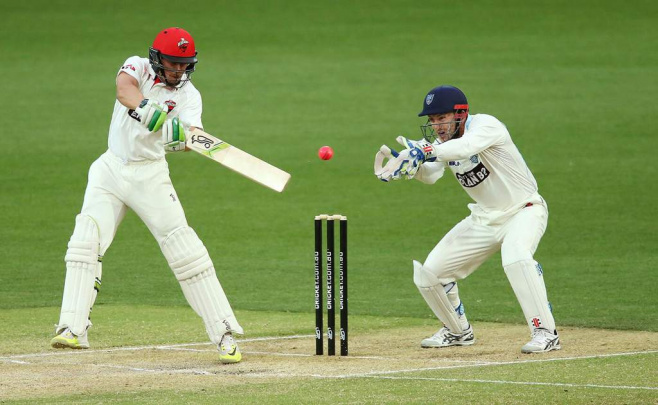
As we approach 2026, cricket fans around the world are buzzing with speculation about potential rule changes that could reshape how the game is played. The International Cricket Council (ICC) and national boards often review rules to enhance fairness, improve entertainment, and address modern-day challenges in the sport. Expected New Cricket Rule Changes In | 2026.
Let’s explore some expected or rumored cricket rule changes for 2026 that could impact international and domestic formats.
Shot Clock for Bowlers
To combat slow over rates, the ICC is reportedly considering a 30-second shot clock between deliveries. Similar to what we see in tennis and basketball, this rule would:
- Give bowlers 30 seconds to deliver the next ball
- Penalize repeated delays (runs added to the batting side)
- Improve match flow, especially in T20s and ODIs
Powerplay Adjustments in T20s
With batting becoming more aggressive, there is talk of flexible powerplays:
- Teams may be allowed to choose when to take the 6-over fielding restriction
- A “floating” powerplay could be introduced (e.g., split into two parts: 3 + 3 overs)
The goal is to bring strategic depth and revive the balance between bat and ball.
Penalty Runs for Time Wasting
In Test and ODI formats, over rates remain a challenge. The immediate awarding of penalty runs could be introduced:
- 5-run penalties for slow over rates or fielding delays
- Applies to both bowling and batting sides
- Umpires may get more discretion for enforcing the rule
This would replace or complement current fines and bans on captains.
Increased Use of Technology for No-Balls and Wides
2026 may see further automation with technology detecting all no-balls and wides in real time:
- Front-foot no-balls already use tech in international games
- New tools could also help detect high full tosses, waist-high no-balls, and wides, especially in tight matches
This ensures more accurate decisions and reduces umpiring errors.
Substitutes with Strategic Roles
The Impact Player Rule, seen in IPL, may expand into international T20s:
- Teams can replace one player mid-match based on match situation
- Introduces more strategy and options (batting-heavy or bowling-heavy changes)
- Could affect team selection and captaincy tactics
The ICC may trial this in a few bilateral T20 series or ICC tournaments.
New DRS System International Cricket
Though the Decision Review System (DRS) has improved officiating, 2026 might bring:
- Unified ball-tracking systems across all countries
- Possibility of more than 2 reviews in Tests per team per innings
- Player referrals for wides/no-balls in T20 matches
Improving transparency and consistency is the key motivation behind these expected updates.
Shorter Formats for Grassroots Cricket
To attract younger audiences, national boards might push shorter formats like:
- T10 cricket in domestic leagues
- 5-over or 6-a-side formats at school or club levels
Conclusion
Cricket has always evolved with the times — from colored clothing to DRS, from T20s to The Hundred. As we enter 2026, these rule changes could mark the next chapter in making the sport faster, fairer, and more fan-friendly.
Leave a Reply